
Conditions We Treat
Post-Surgical Pain Treatment in Utah
Surgery was supposed to end the pain, and it did not, or the pain came back. You still have options. Find out what is behind the pain that is left and which treatment fits it.
What Post-Surgical Pain Is
When Pain Outlasts the Surgery
Some pain after surgery is expected, and it fades as tissue heals. When pain lasts well beyond the usual recovery window, returns after a stretch of relief, or shows up somewhere new, it is a different problem that deserves its own evaluation.
After spine surgery, this pattern is common enough to have a name: failed back surgery syndrome, also called post-laminectomy syndrome. It does not necessarily mean the operation went wrong. Scar tissue can form around a nerve, a neighboring level of the spine can take on extra stress, a disc can herniate again, or the original source of pain may have been only partly addressed. Lingering back or leg pain, numbness, weakness, and stiffness are typical.
Pain after joint surgery, such as a knee or shoulder repair or replacement, can come from stiffness, weak surrounding muscles, or scar tissue that limits motion. It can also come from infection or a problem with the implant, which your surgeon needs to check. If another operation has been suggested, the non-surgical options are worth discussing too.
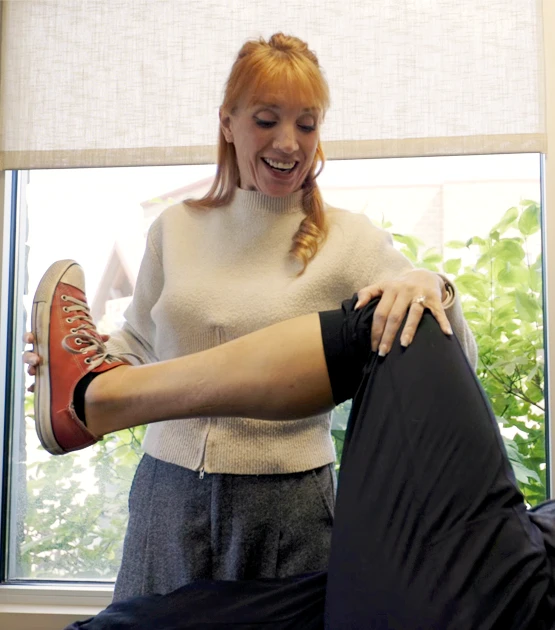
Don't Wait It Out
Signs It's Time to Get Your Pain Evaluated
- Pain that has lasted well past the recovery time your surgeon described
- Back or leg pain that returned after a period of relief following spine surgery
- New numbness, tingling, or weakness since the operation
- Stiffness or weakness that is keeping you from getting back to normal activity
- You have been told a second surgery may be needed and want to understand all of your options
If your surgery was recent, your surgeon’s restrictions come first, and your plan is built around them.
Call your surgeon right away or go to the emergency room for fever or chills, redness, swelling, or drainage at the incision, pain or swelling in your calf, loss of bladder or bowel control, or new numbness or sudden weakness in a leg. Chest pain or sudden shortness of breath needs a 911 call.
The Full Toolbox
Post-Surgical Pain Treatment, From Conservative to Advanced
At Integrated Pain Specialists, medical providers, chiropractors, and physical therapists work under one roof, so your plan is built from the whole toolbox rather than one specialty’s answer.
Rebuild strength and motion. Physical therapy helps restore the strength, flexibility, and movement that surgery and time off can take away, with a plan paced to your procedure and your surgeon’s guidance.
Loosen what has tightened. Chiropractic care, massage, and soft tissue therapy address the stiffness and muscle guarding that often build up around a surgical site, with techniques chosen to respect any fusion or hardware, once your surgeon has cleared you.
Calm pain and inflammation. Laser therapy, targeted injections, and nerve blocks can settle irritated tissue and nerves so you can keep progressing.
Advanced options for persistent pain. When pain continues despite conservative care, radiofrequency ablation can interrupt pain signals from irritated nerves, and spinal cord stimulation, which starts with a temporary trial, uses gentle electrical pulses to interrupt nerve pain before it reaches the brain.
Relieve disc pressure, where it fits. For some patients whose pain comes from a disc and who have no fusion hardware in the area, spinal decompression may be an option.
Our Post-Surgical Program
Find the Source of the Pain That Is Left
Every plan starts with a thorough exam and a review of your surgical history and imaging, to find whether the pain is coming from scar tissue, a nerve, a neighboring level of the spine, or the muscles and joints around the surgical site. From there we combine physical therapy, hands-on care, and medical treatments into a schedule built around your case, not a one-size protocol.
Care is delivered at our Bountiful and South Jordan clinics, and your progress is measured at each stage so you can see whether strength and function are coming back. If back or leg pain is the main problem, see our back pain, sciatica, and herniated disc pages as well. The goal is lasting relief and a return to the activities you had surgery to get back to.
The Integrated Difference
One Team, One Plan, Every Option
After surgery, it is easy to end up going between a surgeon, a pain clinic, and a therapist, each seeing one piece of the problem. Our integrated team evaluates your case together and builds one plan that works alongside your surgeon’s care, whether that is physical therapy, hands-on care, injections, an advanced procedure, or a combination. The first step is a free consultation.
Common Questions
Post-Surgical Pain FAQs
What is failed back surgery syndrome?
Failed back surgery syndrome, also called post-laminectomy syndrome, describes back or leg pain that continues or returns after spine surgery. It does not always mean the surgery was done poorly. Scar tissue around a nerve, stress on a neighboring level, a repeat disc herniation, or a pain source the surgery did not address can all be behind it.
Is it normal to still have pain months after surgery?
Some soreness during recovery is normal, and recovery times vary by procedure. Pain that lasts well beyond the recovery window your surgeon described, returns after a period of relief, or comes with new numbness or weakness is worth having evaluated. For questions about your specific procedure, your surgeon is a good first call.
Can I have chiropractic care or spinal decompression after back surgery?
Many people can. Physical therapy is often part of recovery, and gentle hands-on care may be an option once you have healed and your surgeon agrees, with techniques adapted to your procedure. Spinal decompression may also be an option, depending on your surgery. An exam, a review of your surgical records, and your surgeon’s input determine what is right for you.
What is spinal cord stimulation?
Spinal cord stimulation uses a small implanted device to send gentle electrical pulses that interrupt nerve pain signals before they reach the brain. It is used for persistent nerve pain, including failed back surgery syndrome, when other treatments have not helped. Patients start with a temporary trial to see whether it works for them before deciding on a long-term implant.
Do you take insurance for post-surgical pain treatment?
Most of our care is covered by many insurance plans, including Medicare. Coverage varies by insurer and individual policy, and our team verifies your benefits before any care begins.
Take the Next Step
Talk to Our Team About the Pain That Is Left
Start with a free consultation. Talk through your pain, your surgery, and your options, and decide whether our practice is a good fit, with no sales pitch. Bountiful or South Jordan.