
Conditions We Treat
Sciatica Treatment in Utah
Sharp, shooting pain from your lower back down one leg has a cause, and it is usually treatable without surgery. Find out whether it is the sciatic nerve, the SI joint, or a disc, and which treatment fits.
What Sciatica Is
Why Pain Shoots Down Your Leg
Sciatica is not a diagnosis by itself. It is the name for pain that follows the sciatic nerve, the largest nerve in the body, from the lower back through the buttock and down the back of the leg. The nerve is being irritated or compressed somewhere along that path, most often by a herniated or bulging disc, a narrowed spinal canal, or a tight piriformis muscle in the hip.
Sacroiliac (SI) joint pain is the close cousin. The SI joints sit where the spine meets the pelvis, and when one becomes inflamed or moves too much or too little, it causes low back, buttock, and upper leg pain that is easy to mistake for sciatica. The two are treated differently, which is why the exam matters more than the label.
What most people are offered is rest and anti-inflammatories, then an injection, then a surgical consult if nothing sticks. Those steps can calm a flare, but unless the pressure on the nerve or the joint mechanics change, the pain tends to come back.
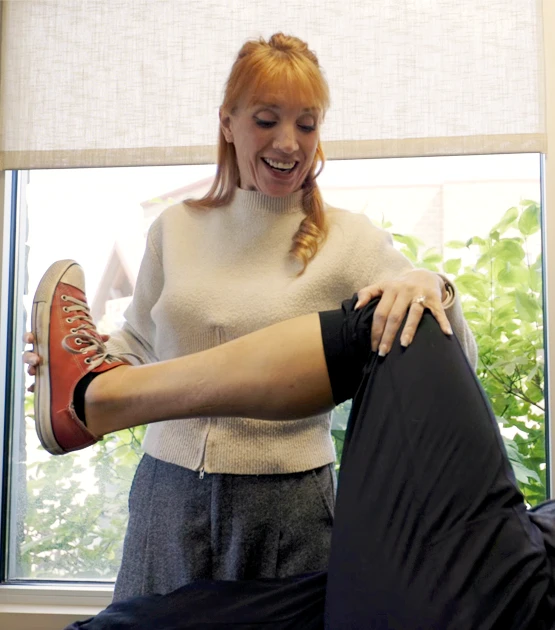
Don't Wait It Out
Signs It's Time to Get Your Sciatica Evaluated
- Pain, burning, or tingling that runs from your lower back into your buttock, thigh, or calf
- Pain on one side that gets worse with sitting, coughing, or bending forward
- Numbness or weakness in a leg or foot
- Low back or buttock pain that flares when you stand up, climb stairs, or roll over in bed
- Relief from rest or medication that never lasts more than a few days
Nerve irritation is easier to settle early, before the muscles around it tighten and the pain pattern becomes the norm. Sciatica with loss of bladder or bowel control, or rapidly worsening leg weakness, needs emergency care right away.
The Full Toolbox
Sciatica Treatment, From Conservative to Advanced
At Integrated Pain Specialists, medical providers, chiropractors, and physical therapists work under one roof, so your plan is built from the whole toolbox rather than one specialty’s answer.
Take pressure off the nerve. When a disc is pressing on the nerve root, spinal decompression gently stretches the spine to relieve that pressure and give the disc room to retract, without surgery or medication.
Fix the mechanics. Chiropractic care restores motion to the spine and SI joints, and soft tissue work releases the hip and piriformis muscles that can pinch the nerve on its way down the leg.
Rebuild stability. Physical therapy strengthens the core and hip muscles that support the low back and pelvis, so the nerve stays free and the SI joint stays stable once the pain settles.
Calm the flare. When pain is too intense to work through, targeted injections and medical pain management settle the inflamed nerve or joint so the rest of the plan can do its job.
Regenerative options. For appropriate candidates, regenerative medicine may support the body’s own repair process.
Our Sciatica Program
Find the Pinch, Then Fix It
Every plan starts with a thorough exam, and imaging when it is needed, to find where the nerve is being irritated or whether the SI joint is the real source. From there we combine decompression, chiropractic care, physical therapy, and medical care into a schedule built around your case, not a one-size protocol.
Care is delivered at our Bountiful and South Jordan clinics, and your progress is measured at each stage so you can see the pain retreating back up the leg, which is the sign the nerve is calming down. The goal is lasting relief without relying on surgery or daily medication.
The Integrated Difference
One Team, One Plan, Every Option
You do not have to guess whether this is a disc problem, a nerve problem, or an SI joint problem. Our integrated team evaluates it together and builds one plan, whether that is spinal decompression, chiropractic care, physical therapy, injections, or a combination. Your first consultation is free, and you will leave with an honest answer about what is causing your leg pain.
Common Questions
Sciatica FAQs
What causes sciatica?
Sciatica is pain along the sciatic nerve, usually caused by a herniated or bulging disc pressing on a nerve root in the lower spine. Spinal stenosis, a tight piriformis muscle in the hip, and sacroiliac joint dysfunction can cause similar pain. An exam and, when needed, imaging identify which one is behind yours.
How do I know if it is sciatica or SI joint pain?
Sciatica usually runs below the knee and follows the nerve down the back of the leg, often with numbness or tingling. SI joint pain tends to stay in the low back, buttock, and upper thigh and flares when you stand up, climb stairs, or roll over in bed. A physical exam with specific movement tests tells them apart.
Can sciatica be treated without surgery?
Yes. Most sciatica improves with non-surgical care such as spinal decompression, chiropractic adjustments, physical therapy, and targeted injections. Surgery is reserved for cases with progressive weakness or pain that does not respond to conservative treatment.
How long does sciatica take to get better?
Many mild flares settle within a few weeks. Pain from a herniated disc or long-standing nerve irritation usually takes longer, and the timeline depends on the cause and how quickly treatment starts. Your provider will give you a realistic estimate after the evaluation.
Do you take insurance for sciatica treatment?
Most of our care is covered by many insurance plans, including Medicare. Coverage varies by insurer and individual policy, and our team verifies your benefits before any care begins.
Take the Next Step
Get an Honest Answer About Your Leg Pain
Start with a free consultation. Talk through your sciatica and your options, and decide whether our practice is a good fit, with no sales pitch. Bountiful or South Jordan.