
A lot of people walk away from a crash saying they feel fine. They trade insurance information, deal with the car, and go home. Then a day or two later the neck is stiff, the lower back aches every time they bend, or a headache settles in that will not quit. If that is where you are, you are not imagining it, and you are not too late. Delayed pain after a car accident is common, and there is a reason for it.
Why Pain Can Wait a Day or Two
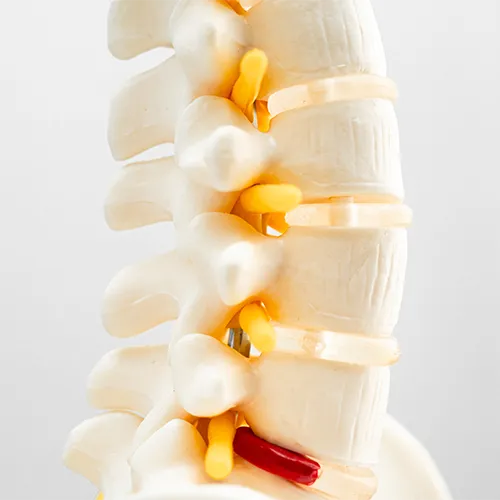
A crash sets off the body’s stress response. Adrenaline and the body’s own pain-dampening chemicals surge, and for a few hours they can cover up an injury. At the same time, the tissues that were strained, the muscles, ligaments, and small joints of the neck and back, begin to swell. That inflammation builds over the next day or two, which is why stiffness and soreness often peak after the adrenaline is long gone.
Whiplash is the classic example. Its symptoms often start hours to days later, so feeling fine at the scene does not rule it out. And a crash does not have to be dramatic to cause it: a low-speed rear-end collision can throw the head forward and back hard enough to strain the neck.
Symptoms That Commonly Show Up Late
- Neck pain or stiffness, or trouble turning your head
- Headaches, especially ones that start at the base of the skull
- Upper or lower back pain, or pain that travels into a hip or leg
- Shoulder or arm pain, tingling, or numbness
- Dizziness, fatigue, or trouble concentrating
- Poor sleep because you cannot get comfortable
When It Cannot Wait
Some symptoms are not a wait-and-see situation. Call 911 or go to the emergency room if you have any of these after a crash, even days later:
- A headache that keeps getting worse, repeated vomiting, confusion, slurred speech, passing out even briefly, or unusual drowsiness
- New or worsening weakness, numbness, or loss of coordination in an arm or leg
- Loss of bladder or bowel control, or numbness in the groin or inner thighs
- Abdominal pain, deep bruising from the seat belt, or feeling faint
Concussion symptoms in particular can appear hours or days after the injury, so a worsening headache is never something to sleep off.
Why Getting Checked Early Matters
Most accident injuries improve with the right care, and the early weeks are when that care does the most. Waiting to see whether it goes away has a cost: people guard a sore neck or back, move less, and let stiffness and muscle guarding settle in. Pain that has lasted for months is harder to turn around than pain treated in the first few weeks.
A prompt evaluation also creates a clear record of what hurts, where, and when it started, which gives your care a starting point to measure progress against.
What to Do in the First Few Days
- Write down what you feel and when it started, even small things. Symptoms that seem minor on day one are easy to forget by week three.
- Keep gentle movement in your day. Unless a provider tells you otherwise, walking and easy range of motion are usually better than lying still.
- Keep the details of the crash handy: the date, what happened, and any ER, urgent care, or imaging records.
- Get evaluated by a provider who looks at the whole picture: the neck, the back, the nerves, and how they connect.
How We Help After an Accident
At Integrated Pain Specialists, medical providers, chiropractors, and physical therapists work under one roof in Bountiful and South Jordan. Your evaluation looks for where the pain is coming from, not just where you feel it, and your plan is built from there. That may include chiropractic care, physical therapy, massage therapy, and rehabilitative exercise, with targeted injections from our medical providers when pain is too intense to work through.
We care for people hurt in car, truck, motorcycle, rideshare, bicycle, and pedestrian accidents. You do not need a referral or an attorney to get started. If you already have an attorney, we work with them. If you do not and would like one, we can refer you to attorneys we trust.
Accident patients can typically be scheduled within a few days of calling, sometimes sooner depending on provider availability. Your first step is a free consultation. If you move forward with an exam and treatment, we bill your available auto insurance (PIP) benefits directly, so there is no out-of-pocket cost to you for care those benefits cover.
Sore Days After a Crash? Get It Looked At
If pain showed up after a car accident, it is worth a free consultation now rather than later. Learn more about our auto accident injury care, or book at the clinic closest to you: Bountiful or South Jordan.
Frequently Asked Questions
Is it normal to feel pain days after a car accident?
Yes. Adrenaline can mask pain at first, and inflammation in strained muscles and ligaments builds over the next day or two. Whiplash symptoms often start hours to days later, so feeling fine at the scene does not rule it out.
How long after a car accident can symptoms appear?
Many people notice soreness within the first few days. Some symptoms, including concussion symptoms, can show up hours or days later. Any new or worsening symptom after a crash is worth an evaluation.
When should I go to the ER after a car accident?
A worsening headache, repeated vomiting, confusion, passing out, new or worsening weakness or numbness, loss of bladder or bowel control, abdominal pain, or feeling faint need emergency care right away.
Do I need a referral or an attorney to be seen after a car accident?
No. You can be seen without a referral or an attorney. If you have an attorney, we work with them, and if you would like one, we can refer you to attorneys we trust.
What kind of care helps after a car accident?
It depends on what was injured. Most accident injuries respond to non-surgical care such as chiropractic adjustments, physical therapy, massage therapy, and guided exercise, with targeted injections when needed. An evaluation sorts out which fits.
Do I have to pay for care after a car accident?
Your consultation is free. If you move forward with an exam and treatment, we bill your available auto insurance (PIP) benefits directly, and there is no out-of-pocket cost to you for care those benefits cover.