You know the moment. Feet hit the floor, and the first few steps toward the bathroom feel like walking on a bruise in the heel. It eases after a minute, comes back after sitting, and by afternoon the arch feels tight. That pattern is so specific it is almost a diagnosis on its own, and this post explains why it happens and what actually resolves it.
Why the First Steps Hurt Most
The plantar fascia is a band of tissue that runs from the heel to the toes and supports the arch. When it is overloaded, it becomes inflamed where it attaches at the heel. Overnight, the fascia tightens and shortens as you rest. The first steps of the morning stretch it suddenly, and the inflamed attachment protests. As you walk, it warms and loosens, so the pain eases, until you sit for a while and the cycle repeats.
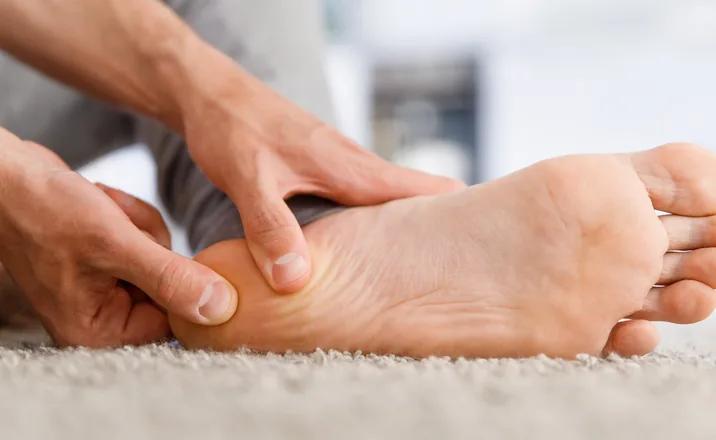
Heel pain that is worst with the first steps in the morning is the classic sign of plantar fasciitis.
What Overloads the Fascia
The foot carries your whole body weight on a structure of 26 bones, dozens of joints, and a web of tendons and fascia. Most heel pain is a mechanics problem: flat or high arches, tight calves, worn shoes, a sudden jump in activity, and extra body weight all change how force moves through the foot, and the overloaded tissue becomes inflamed.
Plantar fasciitis has company, and the exam sorts them out: Achilles tendonitis at the back of the heel, heel spurs, metatarsalgia under the ball of the foot, stress fractures, and nerve irritation can all cause heel pain and are treated differently.
Why Rest and a Cortisone Shot Only Pause It
What most people are offered is rest, ice, and a cortisone shot. Those calm the flare, and that is worth something. But unless the mechanics change, the pain comes back the next time you push, because the calf is still tight, the arch is still unsupported, and the fascia is still doing more than its share. Treating the cause is what keeps you on your feet.
Signs It Is Time to Get Evaluated
- Heel or arch pain with the first steps in the morning or after sitting
- Pain that gets worse the longer you stand or walk
- Tightness or a pulling sensation in the arch or at the back of the heel
- Rest, new shoes, or over-the-counter inserts that help for a while but never resolve it
- Burning, tingling, or numbness in the feet, which points to a nerve rather than the fascia
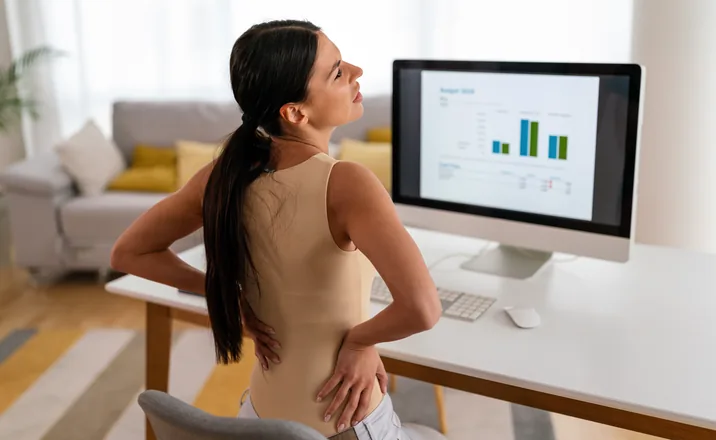
Foot problems compound. Limping to protect a sore heel changes how the knee, hip, and back load, so a foot that has hurt for weeks is worth an evaluation before it becomes a chain of problems.
What Fixing the Mechanics Looks Like
Every plan starts with a thorough exam of your feet, ankles, and gait, and imaging when it is needed, to find which structure is overloaded and why. Then:
Fix the mechanics. Physical therapy stretches tight calves and plantar fascia, strengthens the foot and ankle, and corrects gait, and orthotic support offloads the overworked tissue.
Heal the tissue. Class IV laser therapy and pulse wave therapy reduce inflammation and stimulate healing in stubborn plantar fasciitis and tendonitis, without medication.
Restore alignment. Chiropractic care and soft tissue therapy address joint restriction in the foot, ankle, and lower leg that keeps the fascia and tendons under strain.
Settle a severe flare. When pain is too intense to work through, targeted injections from our medical providers quiet the inflammation so the rest of the plan can take hold.
Progress is measured at each stage, so you can see the morning pain shrinking and your standing tolerance growing. Surgery is rarely needed.
Back on Your Feet, and Staying There
Your first consultation at our Bountiful or South Jordan clinic is free, and you will leave with an honest answer about what your feet need. Read more on our foot and heel pain treatment page. If your main symptom is burning or numbness rather than a sore heel, start with our neuropathy page instead.
Frequently Asked Questions
What causes heel pain?
The most common cause is plantar fasciitis, inflammation of the band of tissue that runs from the heel to the toes. Achilles tendonitis, heel spurs, stress fractures, and nerve irritation can also cause heel pain. Tight calves, flat or high arches, worn shoes, and a sudden increase in activity are the usual triggers.
Can plantar fasciitis be treated without surgery?
Yes, and surgery is rarely needed. Stretching and strengthening through physical therapy, orthotic support, laser therapy, pulse wave therapy, and, when needed, targeted injections resolve most cases. The key is correcting the mechanics that overloaded the fascia so it does not return.
Why does the pain ease after I walk for a while?
The fascia tightens overnight or while you sit, and the first steps stretch it suddenly. Walking warms and loosens it, so the pain eases until the next rest. That pattern is the hallmark of plantar fasciitis.
When should I see a doctor about foot pain?
If foot or heel pain has lasted more than a few weeks, is worse with the first steps of the day, or is changing how you walk, it is time for an evaluation. Sudden severe pain after an injury, or a foot that cannot bear weight, should be seen right away.
Do you take insurance for foot and heel pain treatment?
Most of our care is covered by many insurance plans, including Medicare. Coverage varies by insurer and individual policy, and our team verifies your benefits before any care begins.