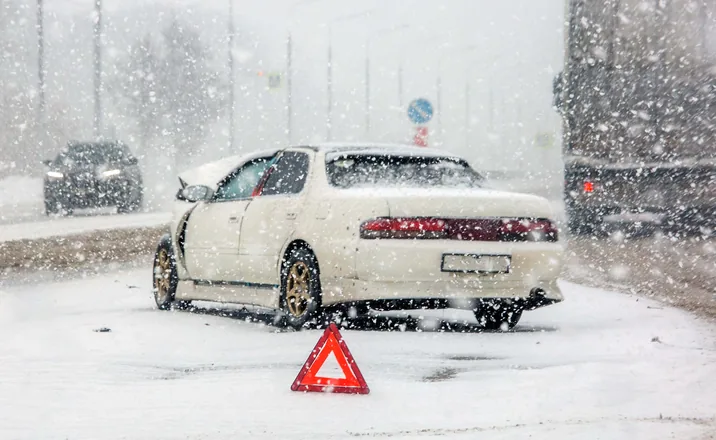
Snow and ice make Utah roads slick, and not every winter crash is a big one. A car slides through a stop sign, someone taps you from behind at an icy light, or two bumpers meet in a parking lot. You swap insurance details, head home, and tell everyone you are fine. A low-speed crash can still hurt you.
What a Slow Crash Does to the Body
Even a low-speed collision loads the body with forces it is not built for. The neck whips forward and back, the low back and pelvis absorb the jolt through the seat, and the shoulders and wrists brace against the wheel. The result can be strained muscles and ligaments, irritated joints, and sometimes a disc or nerve that has been pushed out of place.
Whiplash comes from that rapid back-and-forth motion of the head, and it can happen in a low-speed rear-end collision as well as a high-speed crash. Rear-end collisions are the usual cause, but side impacts can do it too.
What to Watch For in the Days After
Adrenaline masks a lot in the first hours, so many symptoms surface a day or two later. Our post on why accident pain shows up late explains why. Signs worth getting checked include:
- Neck pain, stiffness, or reduced motion in the days after a collision
- Headaches that started after the accident, especially at the base of the skull
- Back pain, or pain that travels into a hip, leg, arm, or hand
- Numbness, tingling, or weakness anywhere it was not before the crash
- Pain that seemed minor at first and is getting worse instead of better
It helps to keep a short note of each symptom and the day it started, even the small ones, and to bring it to your visit.
A few symptoms need the emergency room right away. Call 911 or go to the emergency room if you have any of these after a crash, even days later:
- A headache that keeps getting worse, repeated vomiting, confusion, slurred speech, passing out even briefly, or unusual drowsiness
- New or worsening weakness, numbness, or loss of coordination in an arm or leg
- Loss of bladder or bowel control, or numbness in the groin or inner thighs
- Abdominal pain, deep bruising from the seat belt, or feeling faint
Small Crash, Real Injury
A fender bender can leave a real injury behind, and accident injuries are easier to treat before the surrounding muscles tighten and the pattern sets in. An early evaluation also puts your injuries on record from the start, which gives your care a starting point to measure progress against.
How Your Care Gets Paid
Winter crashes can leave people unsure who was at fault. Utah is a no-fault state, so the personal injury protection (PIP) on your auto policy helps pay for your medical care after a crash, up to your policy limits, no matter who caused it. You do not have to wait for the other driver’s insurance to accept fault before PIP pays.
We bill your available PIP benefits directly, so there is no out-of-pocket cost to you for care those benefits cover. If your PIP runs out or you do not have it, care can often continue. Our guide to Utah PIP after a car accident has the details.
How We Help After a Fender Bender
At Integrated Pain Specialists, medical providers, chiropractors, and physical therapists work under one roof in Bountiful and South Jordan. A thorough exam, and imaging when it is needed, is used to map what the accident did to your spine, joints, and soft tissue and document it. From there, your plan can draw on the whole team:
Restore motion. Chiropractic care addresses the joints that were jolted out of their normal motion, and massage therapy releases the muscles that tightened to protect them.
Rebuild strength. Physical therapy and gentle rehabilitative exercises restore stability and range of motion.
Calm a severe flare. When pain is too intense to work through, targeted injections from our medical providers can quiet it so the rest of the plan can work.
Progress is measured along the way, including range of motion, pain levels, and what you can do day to day, so the plan changes as you do.
Get It Checked
You do not need a referral or an attorney to be seen. If you already have an attorney, we work with them, and if you would like one, we can refer you to attorneys we trust. After an accident, you can typically get an appointment within a few days of calling.
Your first step is a free consultation. If you move forward with an exam and treatment, those services may be billed to your available PIP benefits. Book at our Bountiful or South Jordan clinic, or read more about our auto accident injury care. If your neck took the worst of it, see whiplash after a car accident.
Frequently Asked Questions
Can you get hurt in a low-speed car accident?
Yes. Even a low-speed collision loads the body with forces it is not built for. Whiplash comes from the rapid back-and-forth motion of the head, and that can happen in a low-speed rear-end collision as well as a high-speed crash.
What injuries can a minor crash cause?
Strained muscles and ligaments, irritated joints, and sometimes a disc or nerve that has been pushed out of place. The neck, the low back and pelvis, and the shoulders and wrists can all take part of the jolt.
Should I get checked if the pain is mild?
Yes. A neck that feels only a little stiff can get worse as inflammation builds over the next day or two. An early evaluation checks for injuries that need attention and starts care sooner.
Who pays for my care if I slid on ice and fault is unclear?
Utah is a no-fault state, so your PIP helps pay for your medical care, up to your policy limits, regardless of who caused the crash. We bill your available PIP benefits directly, so there is no out-of-pocket cost to you for care those benefits cover. Policies differ, so check yours.
Do I need a referral or an attorney to be seen?
No. You can book directly, without a referral, and you do not need an attorney. If you have one, we work with them.