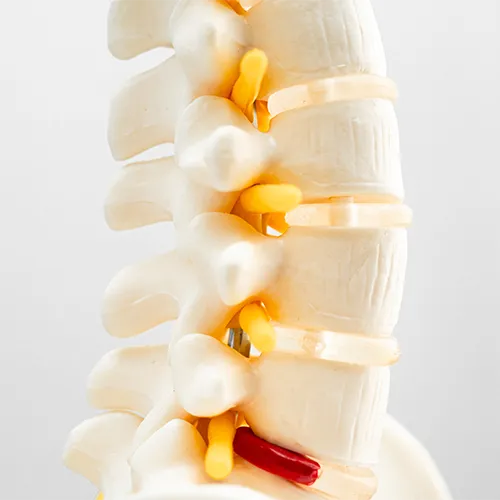

“My back is out” and “I have sciatica” are two of the most common things patients say on their first visit, and they are often describing the same week of pain. The trouble is that low back pain, buttock pain, and pain down the leg can come from several different structures, and each one is treated differently. Here is how to read the pattern before you get to the exam room.
Sciatica Is a Symptom, Not a Diagnosis
Sciatica is the name for pain that follows the sciatic nerve, the largest nerve in the body, from the lower back through the buttock and down the back of the leg. The nerve is being irritated or compressed somewhere along that path. Most often the culprit is a herniated or bulging disc, but a narrowed spinal canal or a tight piriformis muscle in the hip can do the same thing.
So when someone says “I have sciatica,” the real question is: what is pressing on the nerve? That is what the exam is for.
Three Patterns, Three Sources
Pain that runs below the knee. Sciatica usually runs below the knee and follows the nerve down the back of the leg, often with numbness or tingling in the calf or foot. Sitting, coughing, or bending forward tends to make it worse. This pattern points to the nerve root in the lower spine, most commonly a disc.
Pain that stays in the low back, buttock, and upper thigh. Sacroiliac joint pain is sciatica’s close cousin. The SI joints sit where the spine meets the pelvis, and when one becomes inflamed or moves too much or too little, it causes pain that is easy to mistake for sciatica. The tell is what sets it off: standing up from a chair, climbing stairs, rolling over in bed.
Pain that aches with movement and eases with rest. Muscle strain and facet joint problems tend to behave this way. Sitting is often better than standing, and the pain does not travel far.
The patterns overlap, and sometimes two things are happening at once. That is why a physical exam with specific movement tests, and imaging when it is needed, comes before any plan.
Why the Label Changes the Treatment
A disc pressing on a nerve root calls for taking pressure off the disc. That is what spinal decompression does: it gently stretches the spine so the disc has room to retract, without surgery or medication.
An SI joint that is stuck or unstable calls for something different: chiropractic care to restore motion, and physical therapy to strengthen the core and hip muscles that keep the pelvis stable once the pain settles. Decompression would not address that problem.
A tight piriformis muscle pinching the nerve on its way down the leg calls for soft tissue work and hip mobility, not disc treatment.
Guess wrong and you can spend weeks treating the wrong structure. That is the usual story behind “I tried everything and nothing worked.”
What Most People Are Offered, and Why It Comes Back
The standard path is rest and anti-inflammatories, then an injection, then a surgical consult if nothing sticks. Those steps can calm a flare. But unless the pressure on the nerve or the joint mechanics change, the pain tends to return the next time you lift, drive, or sleep wrong.
Signs It Is Time to Get Evaluated
- Pain, burning, or tingling that runs from your lower back into your buttock, thigh, or calf
- Pain on one side that gets worse with sitting, coughing, or bending forward
- Numbness or weakness in a leg or foot
- Low back or buttock pain that flares when you stand up, climb stairs, or roll over in bed
- Relief from rest or medication that never lasts more than a few days
Nerve irritation is easier to settle early, before the muscles around it tighten and the pain pattern becomes the norm. Sciatica or back pain with loss of bladder or bowel control, or rapidly worsening leg weakness, needs emergency care right away.
Find the Pinch, Then Fix It
At Integrated Pain Specialists, medical providers, chiropractors, and physical therapists evaluate your back together and build one plan, whether that is decompression, chiropractic care, physical therapy, targeted injections, or a combination. Your first consultation at our Bountiful or South Jordan clinic is free, and you will leave with an honest answer about what is causing your pain. Read more about how we approach sciatica and back pain.
Frequently Asked Questions
How do I know if it is sciatica or SI joint pain?
Sciatica usually runs below the knee and follows the nerve down the back of the leg, with numbness or tingling. SI joint pain stays in the low back, buttock, and upper thigh and flares when you stand up, climb stairs, or roll over in bed. A physical exam with specific movement tests tells them apart.
Can sciatica be treated without surgery?
Yes. Most sciatica improves with non-surgical care such as spinal decompression, chiropractic adjustments, physical therapy, and targeted injections. Surgery is reserved for cases with progressive weakness or pain that does not respond to conservative treatment.
Why does my back pain travel into my leg?
Pain that radiates into a hip or leg usually means a nerve is involved, most often from a disc pressing on a nerve root in the lower spine. An exam and, when needed, imaging confirm the source.
How long does sciatica take to get better?
Many mild flares settle within a few weeks. Pain from a herniated disc or long-standing nerve irritation usually takes longer, and the timeline depends on the cause and how quickly treatment starts. Your provider will give you a realistic estimate after the evaluation.
Do you take insurance?
Most of our care is covered by many insurance plans, including Medicare. Coverage varies by insurer and individual policy, and our team verifies your benefits before any care begins.