
Rebuild Strength. Regain Movement.
Physical Therapy in Bountiful and South Jordan
Physical therapy for pain, injuries and recovery after surgery, planned together with our chiropractic and medical teams at our Bountiful and South Jordan clinics.
What Is Physical Therapy?
Treatment You Take Part In
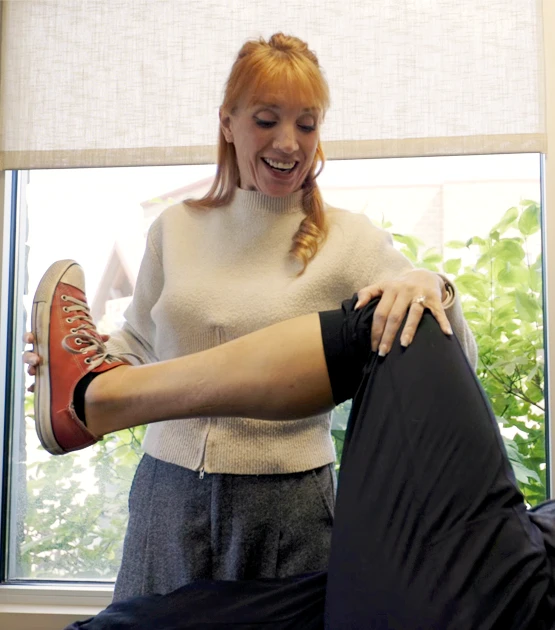
Physical therapy uses guided exercise, hands-on techniques and movement training to reduce pain and restore how your body moves. A licensed physical therapist works out which muscles are weak, which joints are stiff and which movement habits are loading the painful area, then builds a plan to change them.
It is used after injuries, after surgery and for pain that has built up over time. At our clinics, physical therapy is often part of care for whiplash, neck and shoulder pain, back pain, recovery after surgery, age-related joint problems and sports injuries.
Because our physical therapists work alongside chiropractors and medical providers, your therapy fits into one plan with the rest of your care.
Is Physical Therapy Right for You?
Who Physical Therapy Helps
Physical therapy may help if:
- You have back, neck, shoulder, hip or knee pain that limits what you can do
- You are recovering from a car accident, a sports injury or a fall
- You had surgery and need to rebuild strength and motion safely
- Your pain keeps coming back once other treatment stops
- Stiffness or weakness is affecting your balance, your work or your sleep
Your first session starts with an evaluation of your strength, flexibility and movement, so the plan is built around what is actually limiting you. See how therapy fits into care for back pain, knee pain, auto accident injuries and recovery after surgery.
Before You Start
Physical Therapy That Fits Where You Are
Physical therapy is generally safe, and your plan starts where you are. Your therapist reviews your history and checks for anything that changes the plan, such as a recent fracture or surgery, so every exercise fits your body and your goals.
If you have had surgery, your therapist builds around your surgeon’s guidance. Some mild muscle soreness after a session is normal, much like after a new workout, and your therapist adjusts the plan as you go.
What to Expect
Physical Therapy, Step by Step
- Evaluation. Your therapist reviews your history and goals, then tests your strength, flexibility, balance and how you move.
- A plan with goals. You get a clear plan built around what you are working toward, such as walking without pain, lifting your kids or getting back to a sport.
- Hands-on work. Sessions can include manual joint mobilization and guided stretching to ease stiffness.
- Exercise that targets the problem. Functional exercises and corrective movement help strengthen weak areas and improve coordination.
- Progress checks. We retest as you go and adjust the plan, bringing in chiropractic or medical care when it would help.
Part of a Bigger Plan
Physical Therapy as Part of One Plan
Many patients benefit from combining physical therapy with chiropractic care or massage.
When pain is too intense to work through, targeted injections or other medical care may calm it enough for therapy to move forward. For disc-related pain, therapy can work on core strength alongside other care, such as spinal decompression.
In Bountiful and South Jordan, your therapist, chiropractor and medical provider work from the same plan. Start with a consultation, and your provider will recommend the care, or combination of care, that fits your situation best.
Insurance Coverage
Is Physical Therapy Covered by Insurance?
Most of our care is covered by many insurance plans, including Medicare. Coverage varies by insurer and individual policy, and our team verifies your benefits before any care begins. If you were hurt in a car accident, we bill your available auto insurance (PIP) benefits directly.
See How It Works
Watch: Physical Therapy at Integrated Pain Specialists
A short look at physical therapy at our clinics.
COMMON QUESTIONS
Physical Therapy FAQs
What does a physical therapist do?
A physical therapist finds what is limiting your movement, such as weak muscles, stiff joints or habits that strain the painful area, and treats it with guided exercise, hands-on techniques and movement training. The goal is less pain and better function that lasts after your visits end.
Will physical therapy hurt?
Your therapist works within a range you can tolerate. Some mild muscle soreness is common, especially after surgery or a new exercise, much like after a workout, and your therapist adjusts the plan as you go.
How long does physical therapy take?
It depends on your condition, your goals and how you respond. Your therapist will give you an estimate after your evaluation and update it as you progress.
Can physical therapy help me avoid surgery?
For some conditions, yes. Physical therapy is often among the first treatments recommended for back, neck and joint problems, and for some people it improves pain and function enough that surgery is not needed. For others, it can help you prepare for surgery and recover afterward. Your provider will tell you which applies to you.
Do you offer physical therapy after surgery?
Yes. Our physical therapists help patients recover after surgery, with plans paced to your procedure and your surgeon’s guidance.
Do you take insurance for physical therapy?
Most of our care is covered by many insurance plans, including Medicare. Coverage varies by insurer and individual policy, and our team verifies your benefits before any care begins. After a car accident, we bill your available PIP benefits directly.