
Whiplash is one of the most common injuries from car accidents, and one of the most underestimated. It rarely shows up on an X-ray, it often does not hurt much at the scene, and it gets waved off as “just a sore neck.” For most people it does get better. For some it lingers for months. This post covers what whiplash is, how to recognize it, and what helps it heal.
What Whiplash Is
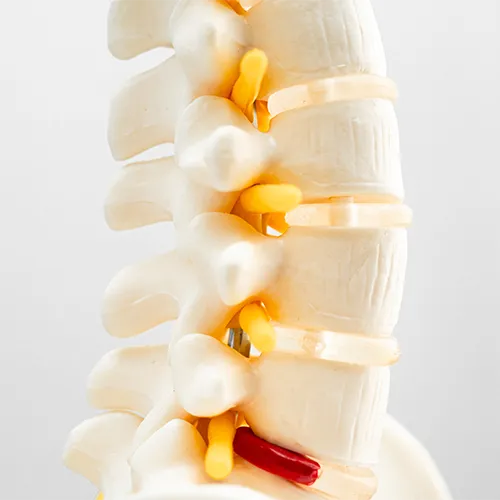
Whiplash is a neck injury caused by the head being thrown rapidly backward and forward, like the crack of a whip. Rear-end collisions are the usual cause, but side impacts, low-speed crashes, and truck, rideshare, and motorcycle accidents can do it too. The fast motion strains the muscles and ligaments of the neck and can irritate the small joints, discs, and nerves between the vertebrae.
Because these are soft tissue injuries, a normal X-ray does not rule whiplash out. X-rays are good at finding fractures. They do not show a strained ligament or an irritated joint.
Whiplash Symptoms
- Neck pain and stiffness, with pain that gets worse when you move
- Reduced range of motion, such as trouble checking your blind spot
- Headaches that start at the base of the skull
- Pain or tenderness in the shoulders, upper back, or arms
- Tingling or numbness in the arms or hands
- Fatigue, dizziness, or trouble concentrating and sleeping
Symptoms most often start within days of the injury, which is why many people do not connect a stiff neck on Tuesday to the fender bender on Saturday.
How Long Whiplash Takes to Heal
Most people improve within a few weeks with a treatment plan built around movement. Some have pain for months, and a smaller group longer. A few factors make a slower recovery more likely:
- Severe neck pain or very limited motion right after the injury
- Pain that spreads into the arms
- A previous whiplash injury, or neck or back pain before the crash
- Older age, or a higher-speed collision
If any of those describe you, early care matters even more.
What Helps, and What Does Not
For years the standard advice was a soft collar and rest. That has changed. For most whiplash injuries, long stretches of immobilization tend to slow recovery, because the neck stiffens and the supporting muscles weaken. Guided, gradual movement is usually the better path, with pain controlled well enough that you can do it.
At Integrated Pain Specialists, a whiplash plan typically combines:
Restore motion. Once the exam rules out a fracture or instability, chiropractic adjustments and mobilization address restricted joints in the neck and upper back.
Rebuild support. Physical therapy retrains the deep neck muscles and the shoulder blade stabilizers that protect the neck, and gives you exercises to do between visits.
Calm the tissue. Massage therapy and soft tissue work ease muscle guarding and spasm.
Settle a severe flare. When pain is too intense to move through, targeted injections from our medical providers can quiet it so the rest of the plan can work.
Progress is measured along the way, including range of motion, pain levels, and what you can do day to day, so the plan changes as you do.
When Neck Pain After a Crash Is an Emergency
Go to the emergency room or call 911 for neck pain with new or worsening weakness, numbness, or loss of coordination in the arms or legs, a headache that keeps getting worse, confusion, repeated vomiting, or unusual drowsiness. Those can signal a more serious injury to the spine or brain.
Get Your Neck Evaluated
You do not need a referral or an attorney to be seen, and we can work alongside your attorney if you have one. Accident patients can typically be scheduled within a few days of calling. Start with a free consultation, and if you move forward with an exam and treatment, we bill your available PIP benefits directly; here is how Utah PIP works. If your neck has not been right since a crash, book at our Bountiful or South Jordan clinic. Read more about our neck pain treatment and auto accident injury care, and if headaches are part of the picture, see headaches that start in the neck.
Frequently Asked Questions
How long does whiplash last?
Most people improve within a few weeks with active treatment. Some have pain for months. Severe early pain, pain spreading into the arms, a previous neck injury, and older age make a longer recovery more likely.
Can you get whiplash from a low-speed accident?
Yes. Whiplash comes from the rapid back-and-forth motion of the head, and that can happen in low-speed rear-end collisions as well as high-speed crashes.
Will whiplash show up on an X-ray?
Usually not. X-rays show bones, and whiplash is mostly a soft tissue injury to muscles, ligaments, and joints. A physical exam is how it is assessed, with imaging when needed to rule out other injuries.
Should I wear a neck brace for whiplash?
For most whiplash injuries, long periods in a collar are no longer recommended because the neck stiffens and weakens. Your provider may suggest short-term support in specific cases, but guided movement is usually the better path.
Do I need a referral or an attorney to be treated for whiplash?
No. You can book directly, without a referral, and you do not need an attorney. If you have one, we work with them.
Does auto insurance cover whiplash treatment?
In Utah, the personal injury protection (PIP) on your auto policy helps pay for medical care after a crash, up to your policy limits, regardless of who was at fault, with at least $3,000 per person in medical benefits. We bill your available PIP benefits directly, so there is no out-of-pocket cost to you for care those benefits cover.